AI-Driven
Smarter decisions from design to operation.
 POINTI
AI & 3D FOR A SMARTER TOMORROW
AI and 3D for a smarter tomorrow.
Smarter decisions from design to operation.
Quantify safety, ESG and lifecycle performance.
3D printing and modular systems for rapid deployment.
Real-time data for continuous optimization.
Low-carbon materials and future-ready design.
Product ecosystem
Combining design, manufacturing and data to build a family of smart micro architecture for cities.
Flexible combinations, rapid deployment.
Lower carbon, circular use.
IoT sensing and real-time insight.
Replaceable parts, lower cost.
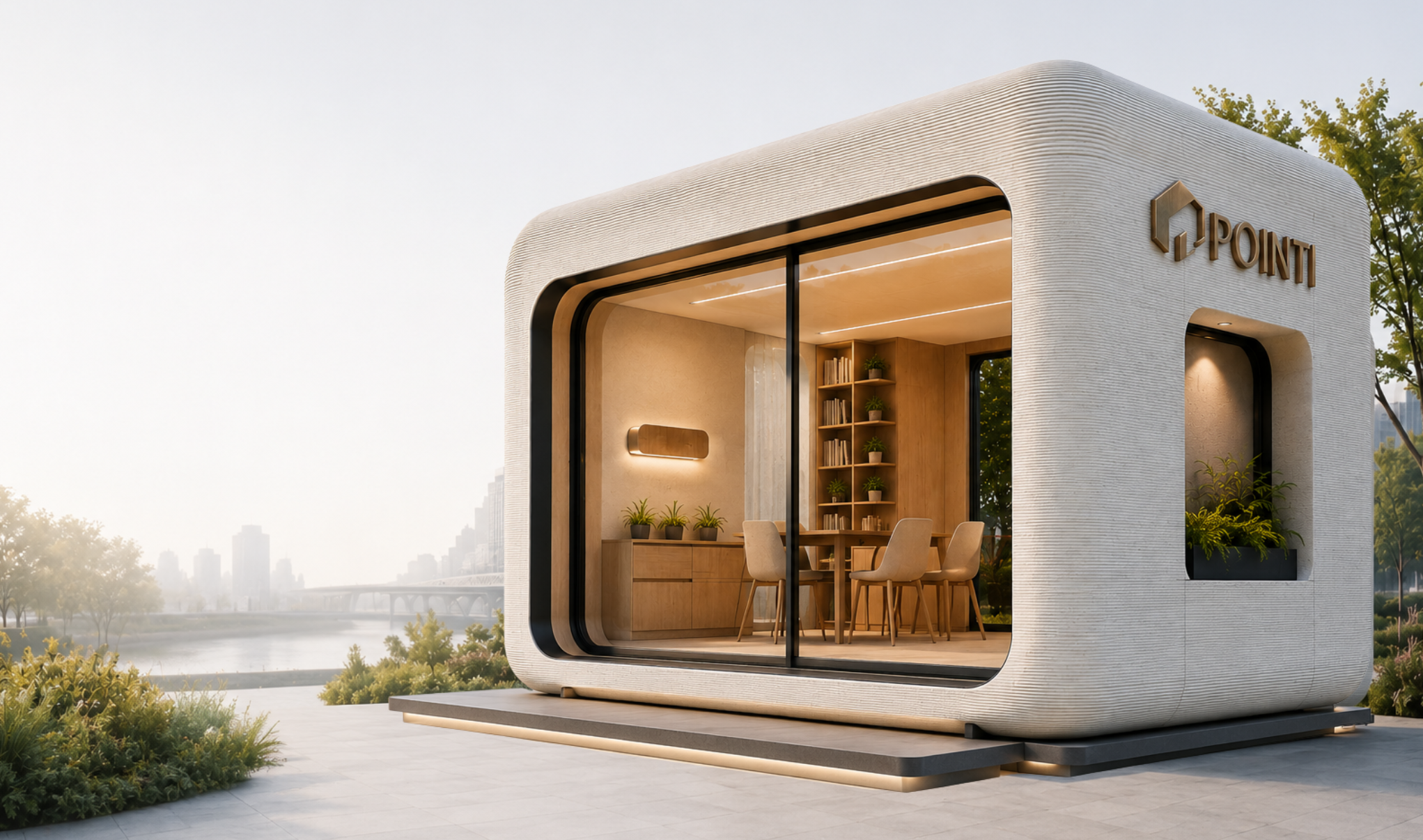
3D printed micro hub for smart city
Micro spaces for reading, rest, exhibitions and community activity.
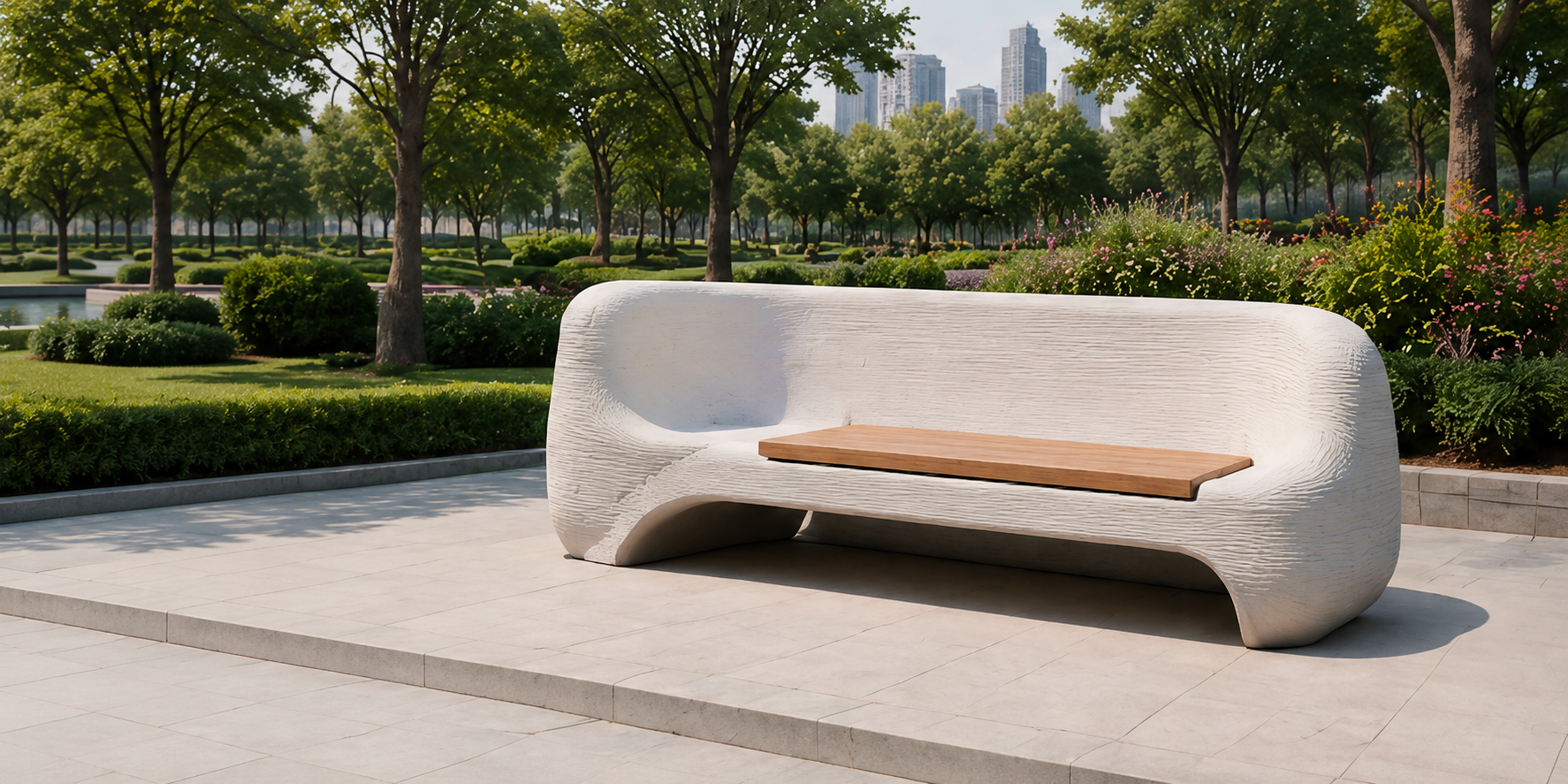
3D printed landscape seating for smart city
Street furniture for public, commercial and community sites.
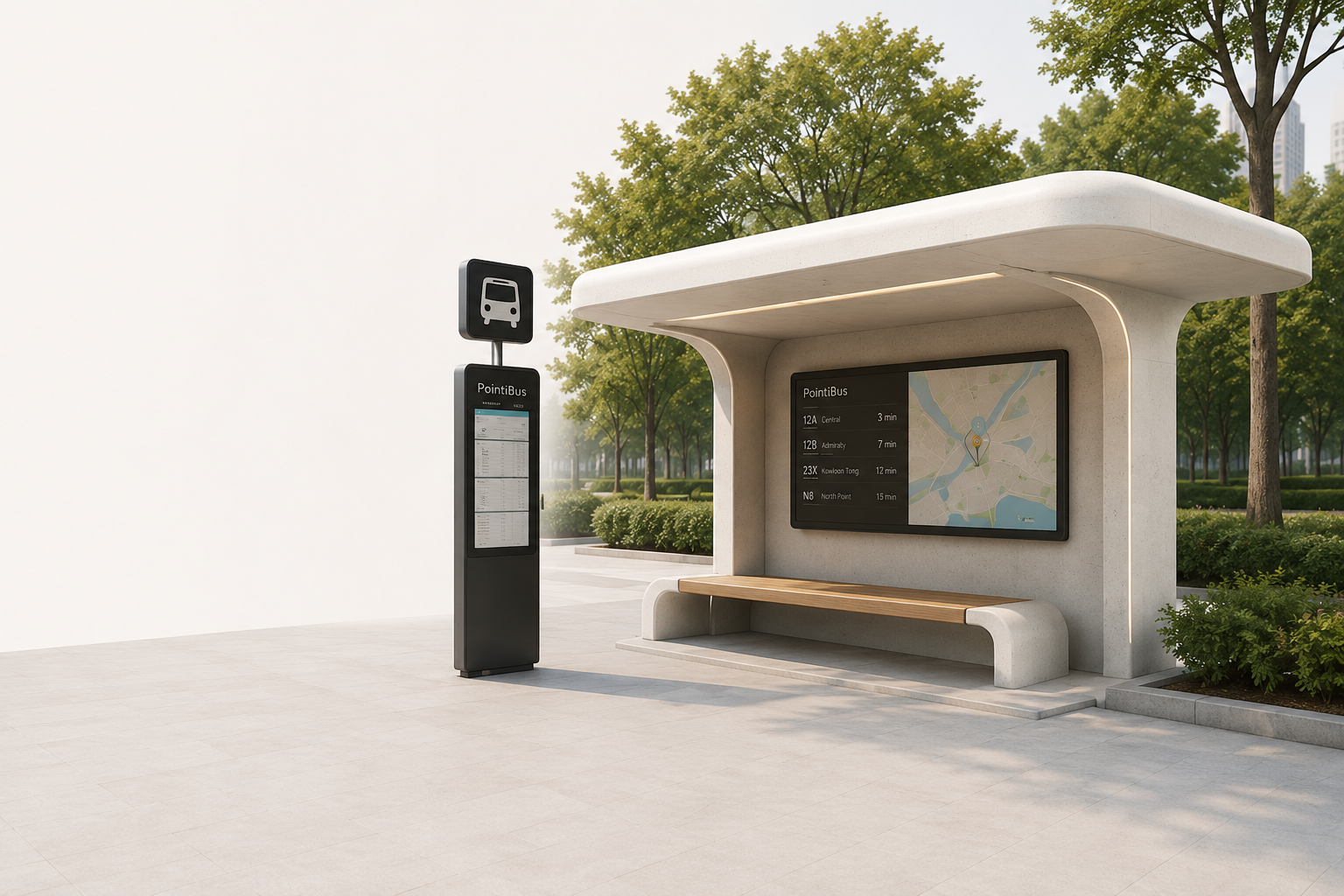
3D printed smart bus stop for transport corridors
Smart stops with arrival, lighting, sensing and safer waiting.
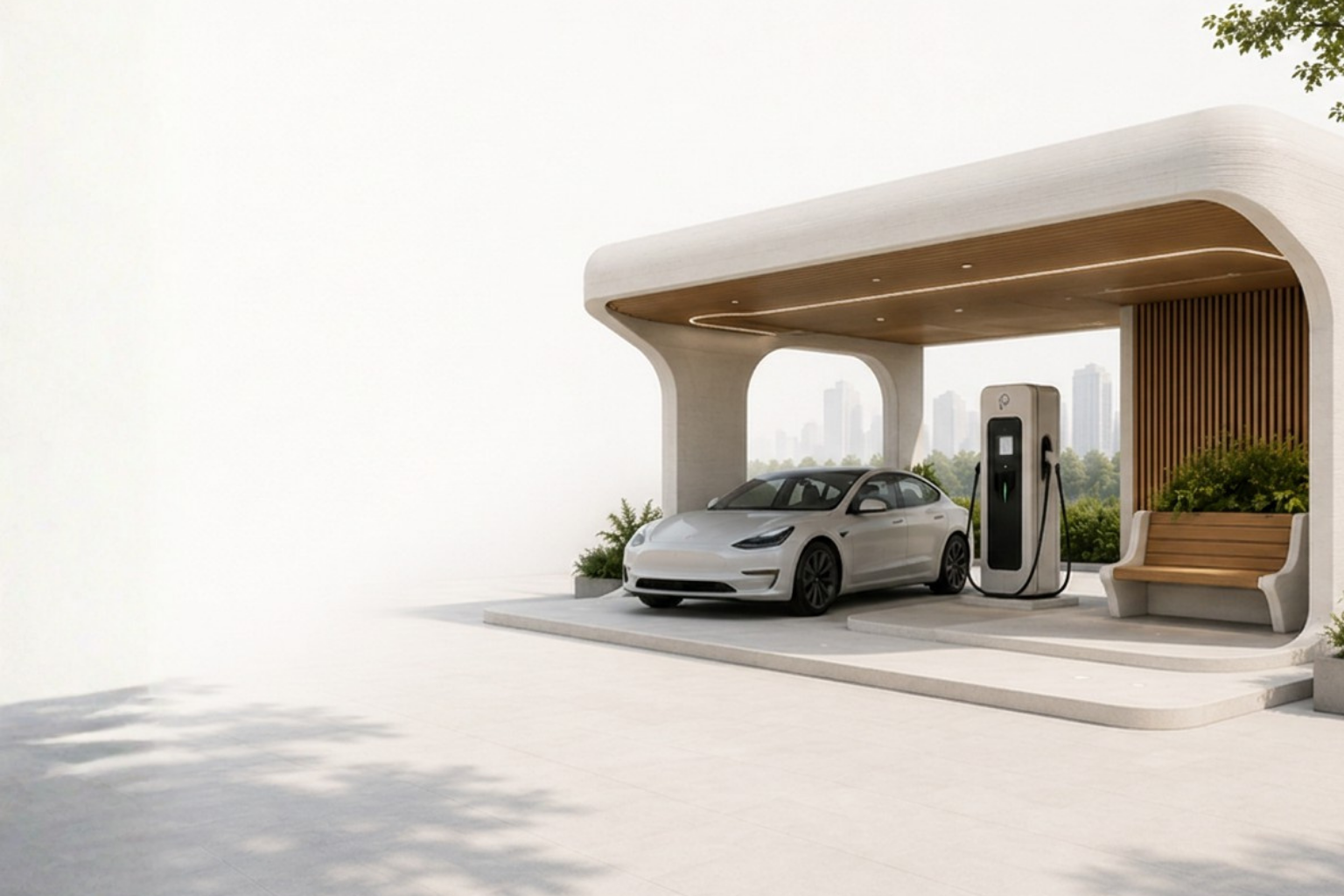
3D printed EV charging station
Compact charging infrastructure for fast deployment and energy data.
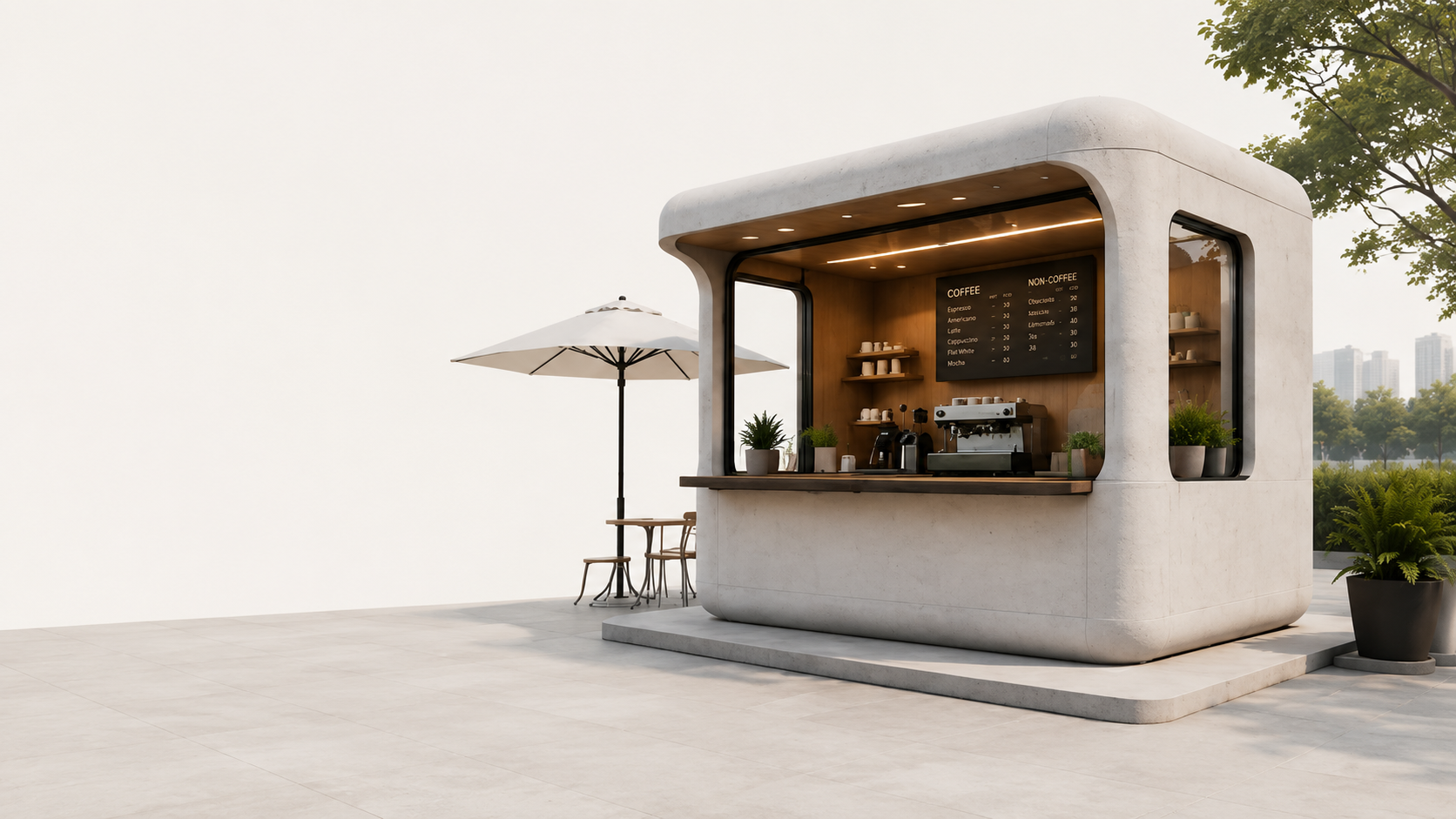
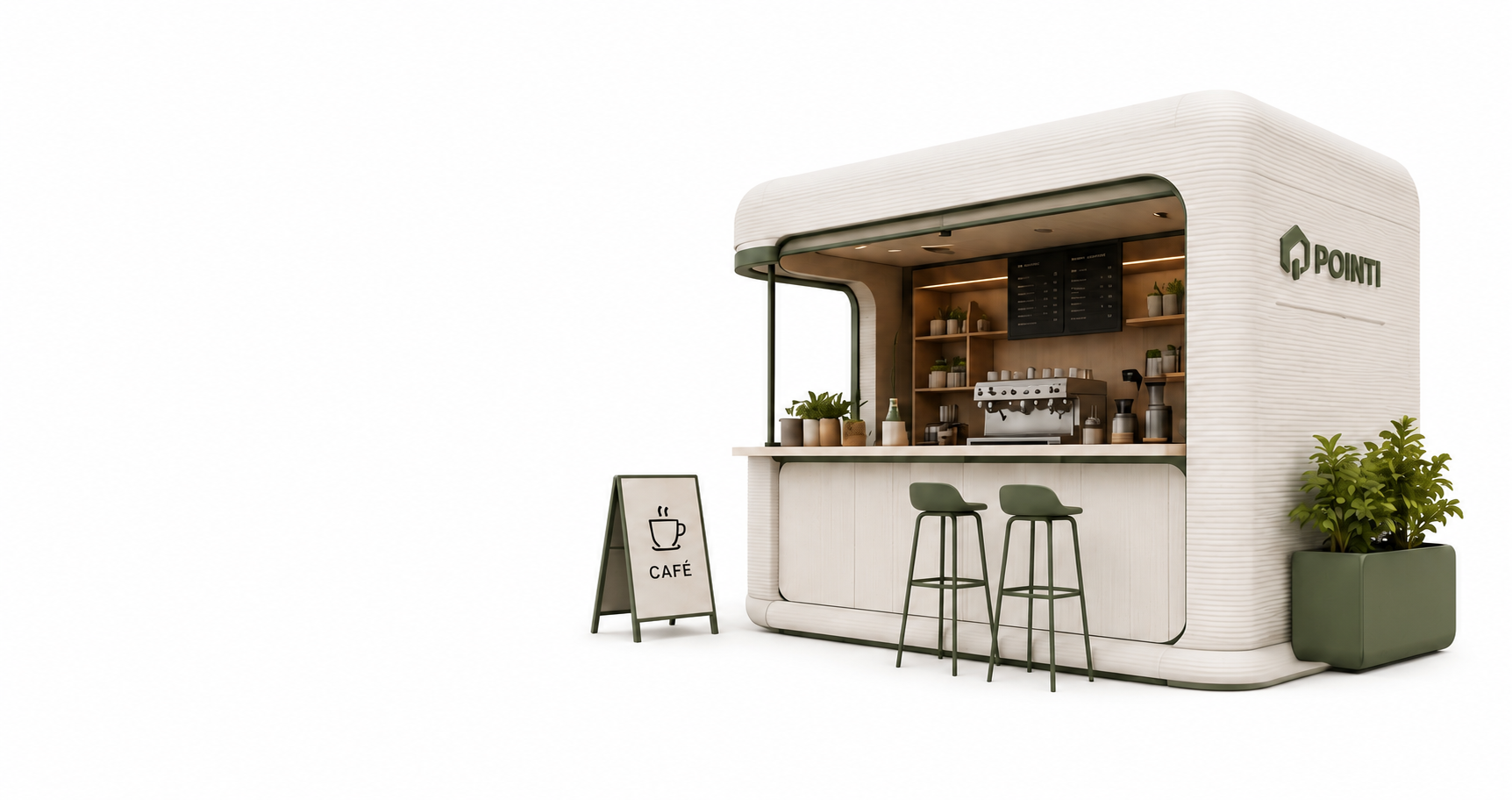
3D printed coffee kiosk for destination spaces
Modular cafe kiosks for pop-ups, retail and branded destinations.
Construction ends when a project is delivered.
Pointi begins when a space starts learning.
AI, modular design and real-world data continuously improve every deployment, transforming physical spaces into long-term infrastructure.
Pointi Metrics
From concept to operation, one platform integrates every decision.
Pointi Metrics combines AI, data and modular design to help teams plan, evaluate, deploy and continuously improve micro architecture.

Analyze regulations, sites, cost and people flow.
Connect modular components with 3D printing.
Unify IoT data and operational indicators.
Check safety standards and generate files.
Track carbon, materials and lifecycle value.
Enter site and project conditions.
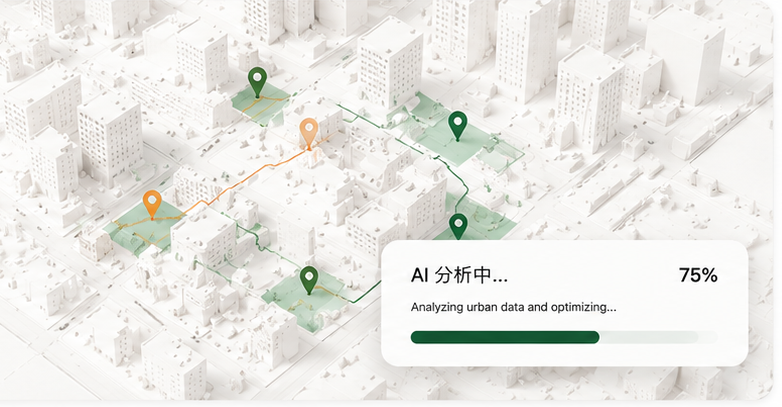
Evaluate feasibility and value.

Generate product, material and deployment recommendations.
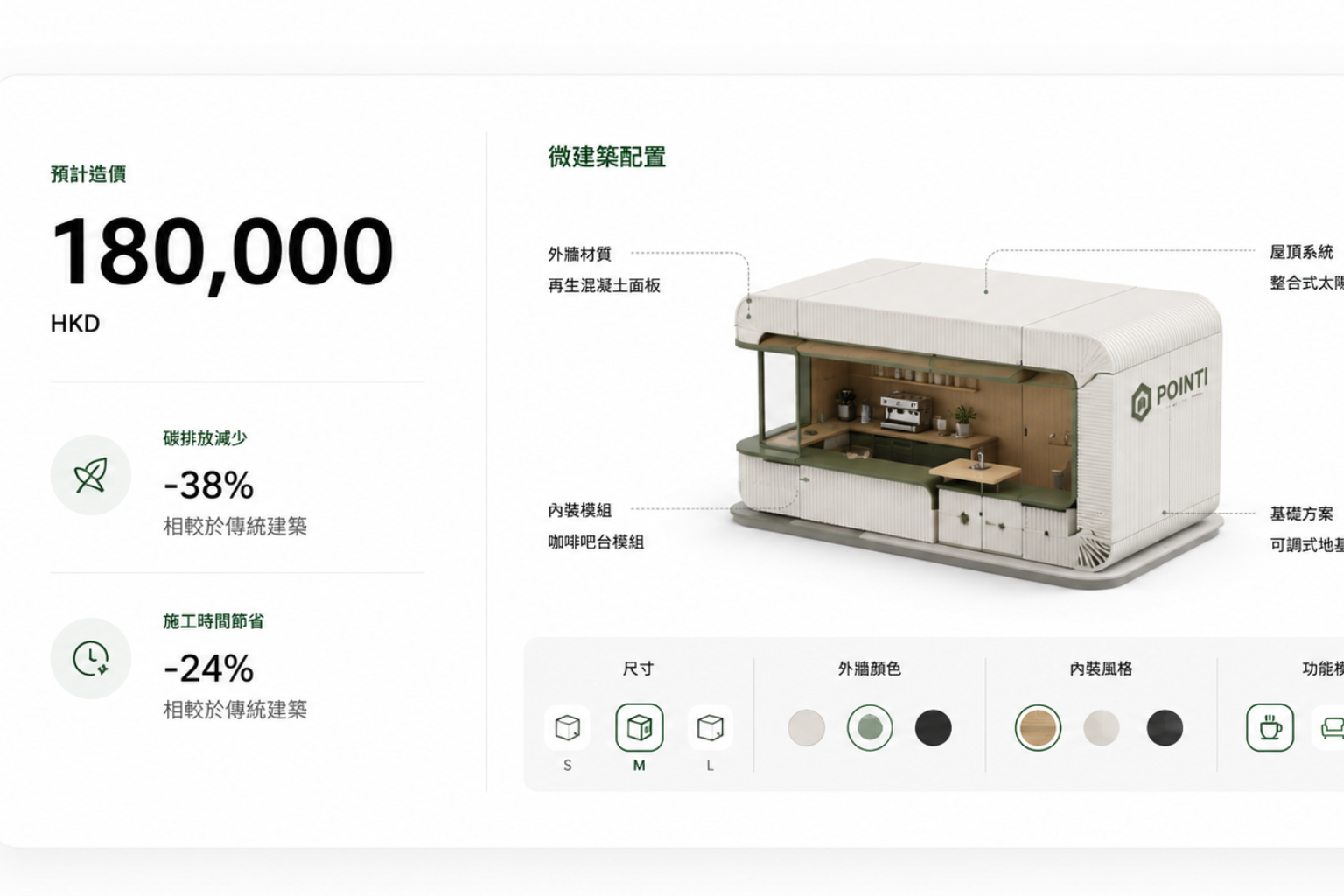
Move from a validated plan to fabrication and deployment.
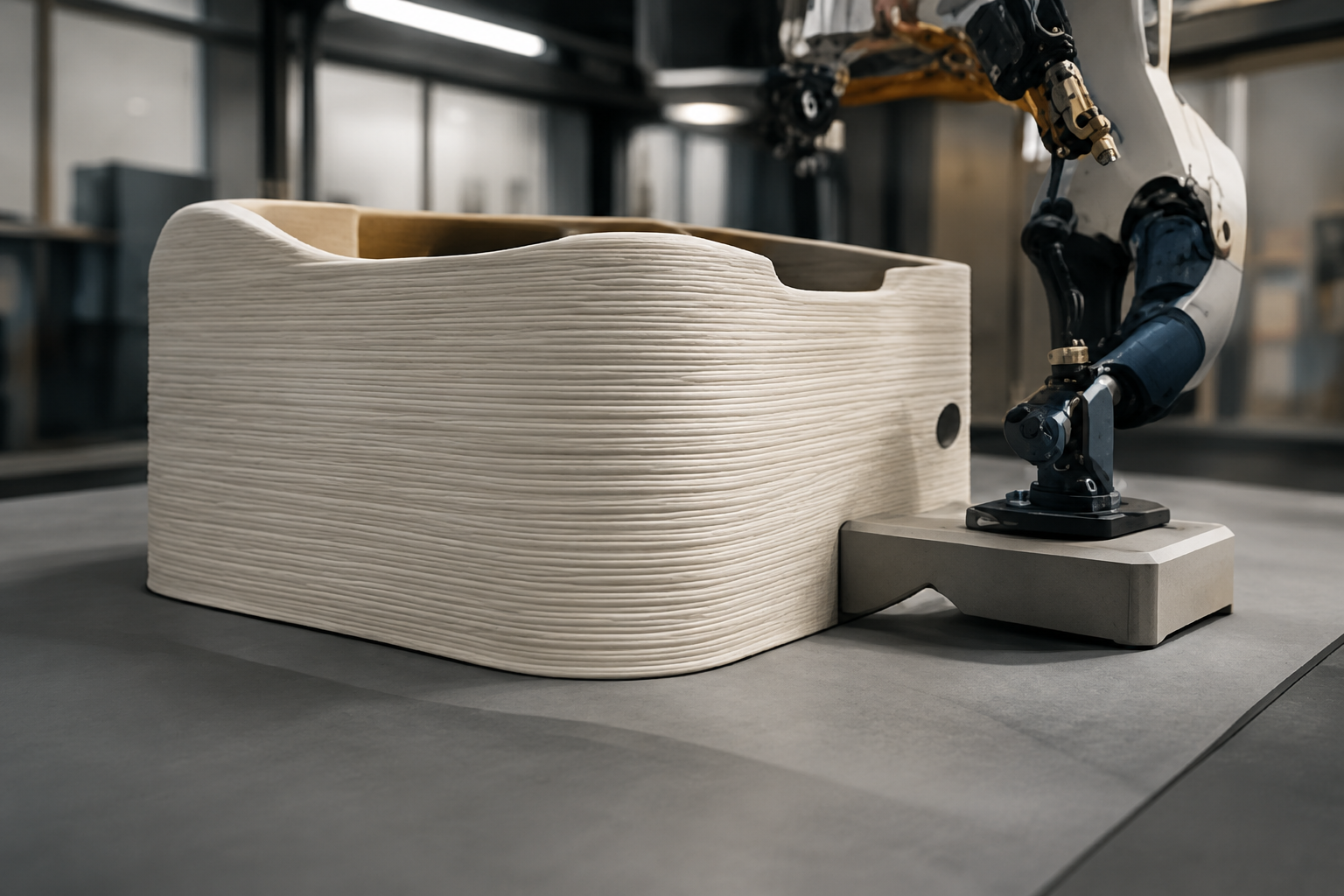
Monitor performance and continuously improve every deployment.
Recognition
We are honoured to be recognised and supported by partners, communities and organisations who believe in our vision for smarter infrastructure.
Government-backed
Industry recognised
Community driven
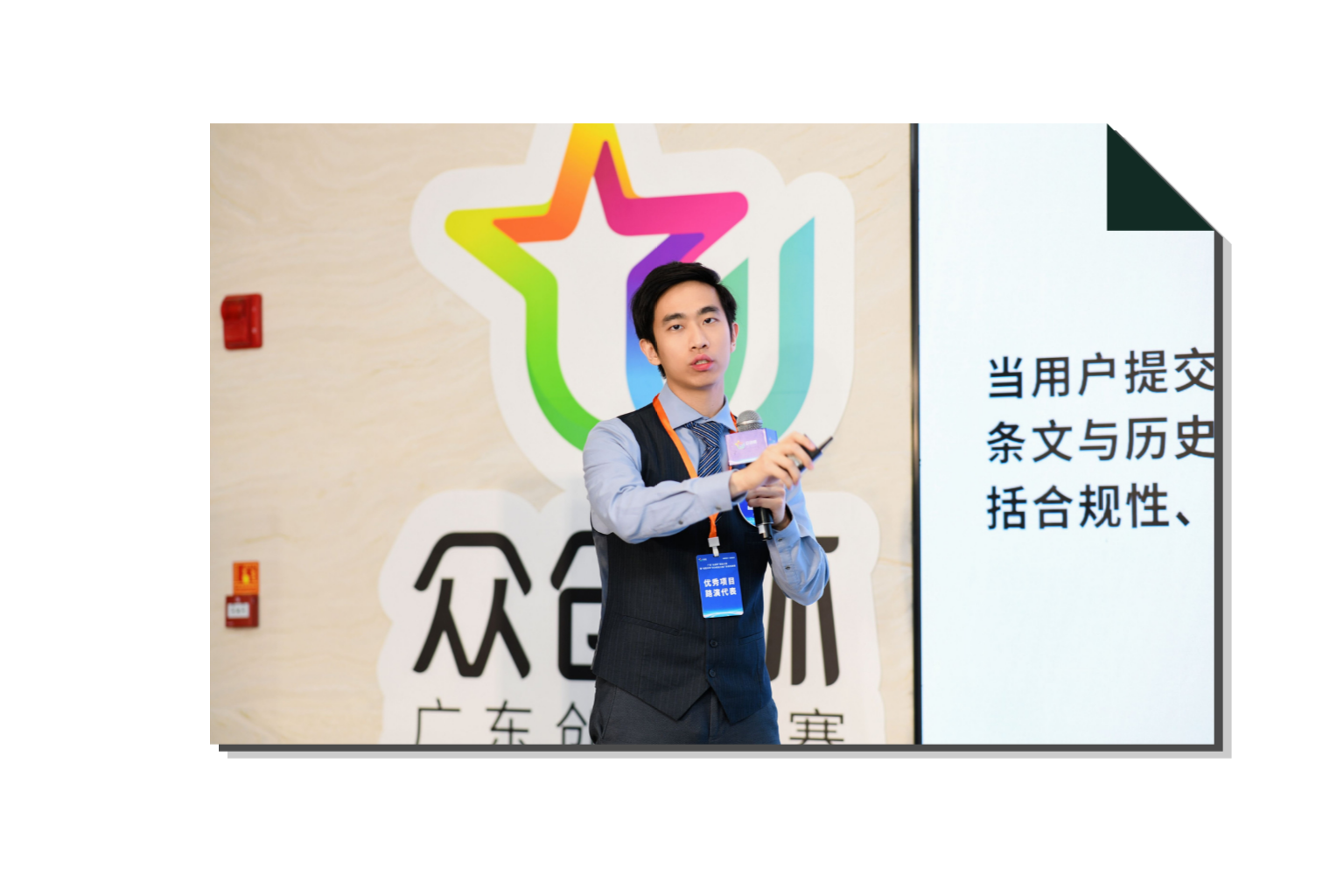
Founder Fred Chong speaking at the Guangzhou Guangdong Community Entrepreneurship Cup, sharing how the unique strengths of different Greater Bay Area cities can be leveraged to accelerate smart infrastructure and innovation.
01
Strong support for innovation that advances smarter, more sustainable urban development.
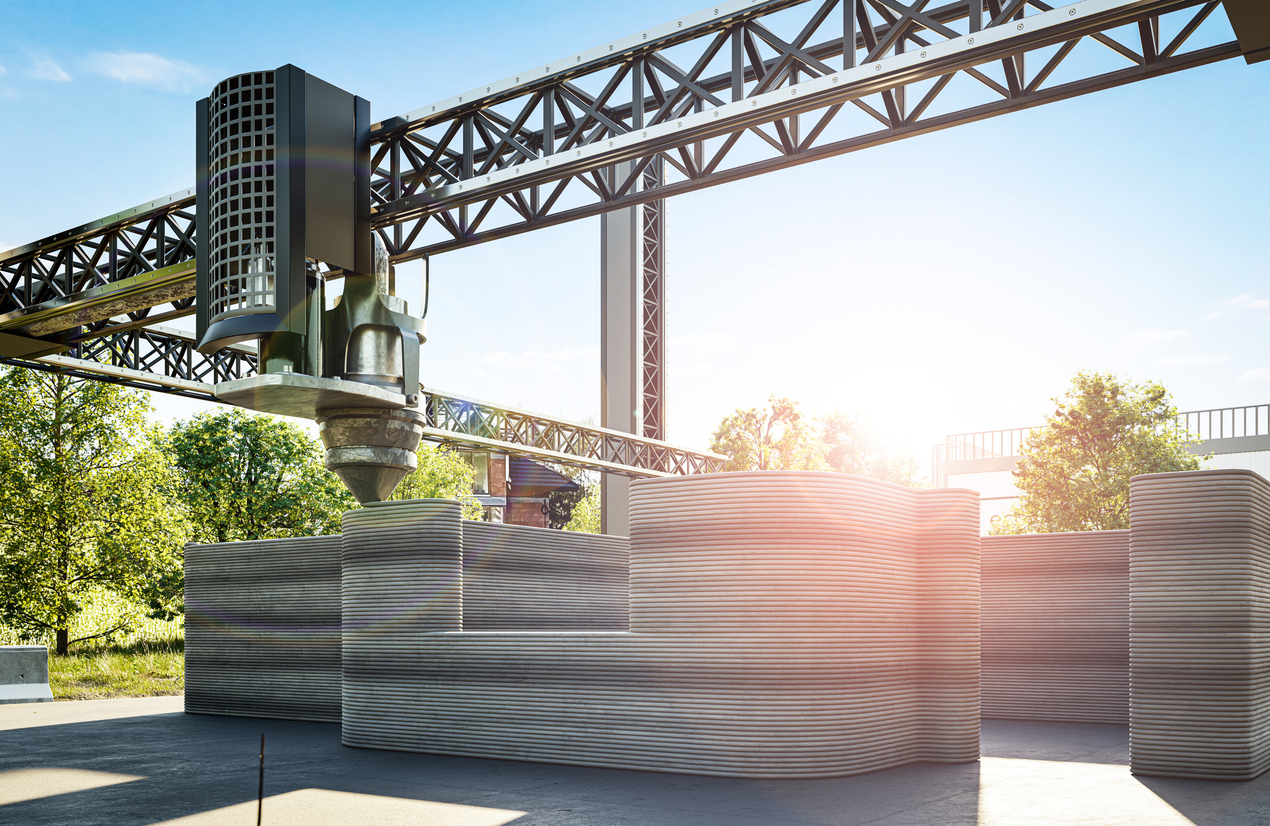
Our programme "Printecture" received government funding under the Greater Bay Area Youth Entrepreneurship (Smart City) Programme.
The programme is funded by the Youth Development Fund under the Guangdong–Hong Kong–Macao Greater Bay Area Youth Entrepreneurship Grant Scheme of the Home and Youth Affairs Bureau, and organised by the Smart City Consortium.
02
Accelerating the commercialisation of Pointi’s AI-powered smart infrastructure technologies.
Micro-Architecture Space Performance Assessment Index
Use AI models to convert cost, timeline, user outcomes and environmental impact into normalized performance indicators.
03
Recognised by industry platforms and innovation competitions.
Bronze Award
AI-driven micro infrastructure platform.
Finalist
Selected for the Hong Kong Pitching Round.
04
Committed to creating positive impact in communities and the environment.
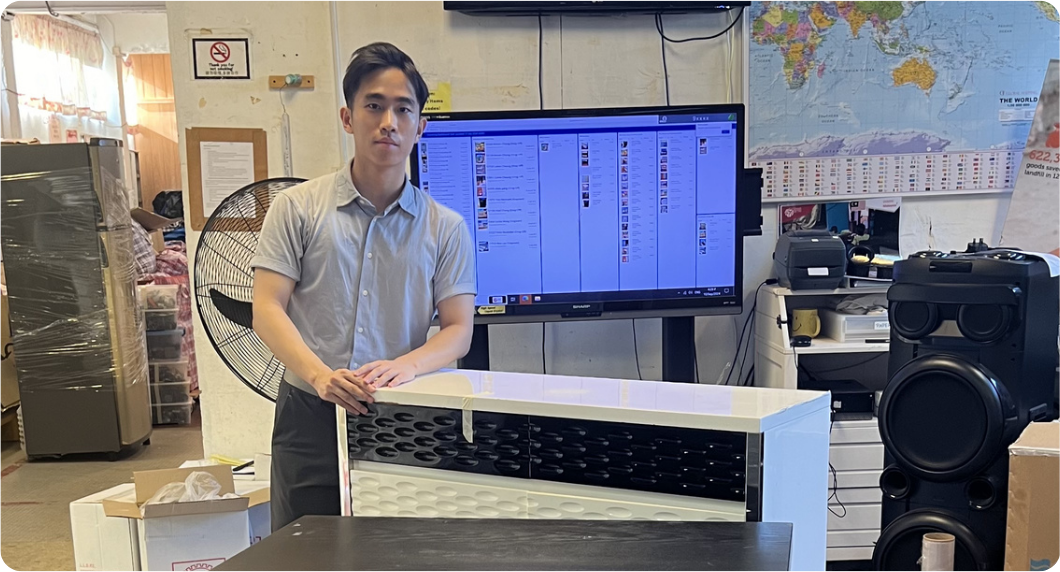
Supporting circular reuse through furniture donation.
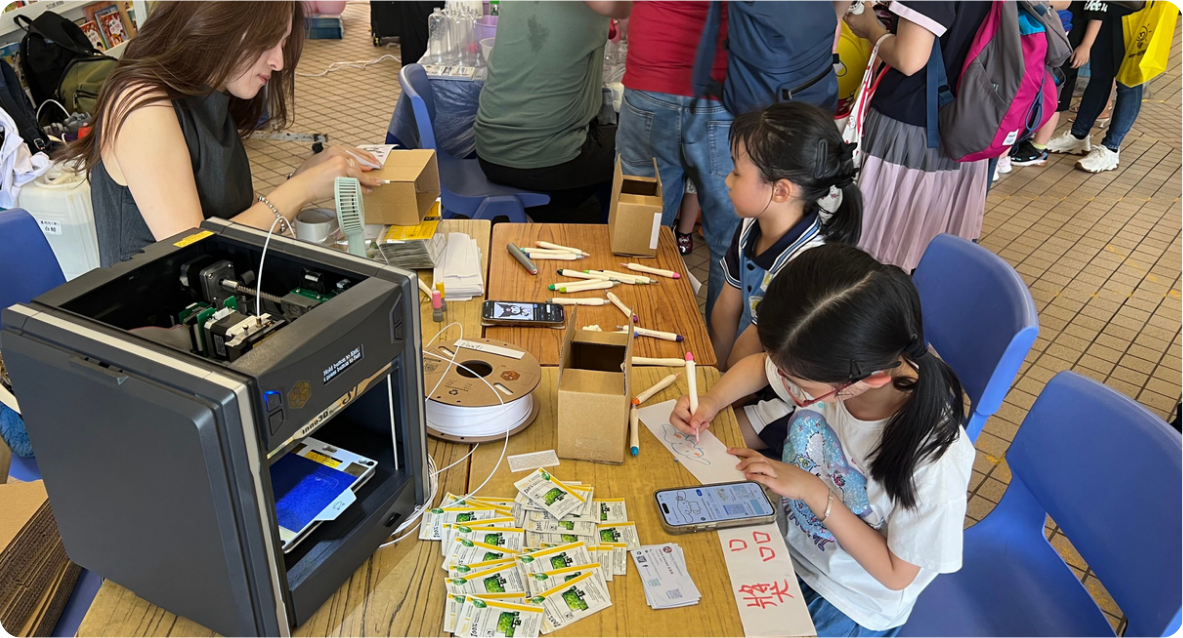
Promoting technology and innovation in the community.

Participated in the Hong Kong Awards for Environmental Excellence.
Journal
Thoughts on the challenges, opportunities and future of small-scale architecture.
Latest Thinking

The economics of small construction depend on coordination, compliance and site-specific delivery, not only material quantity.
Read more
The real complexity lies in aligning people, processes and systems, not in concrete or materials.
Read more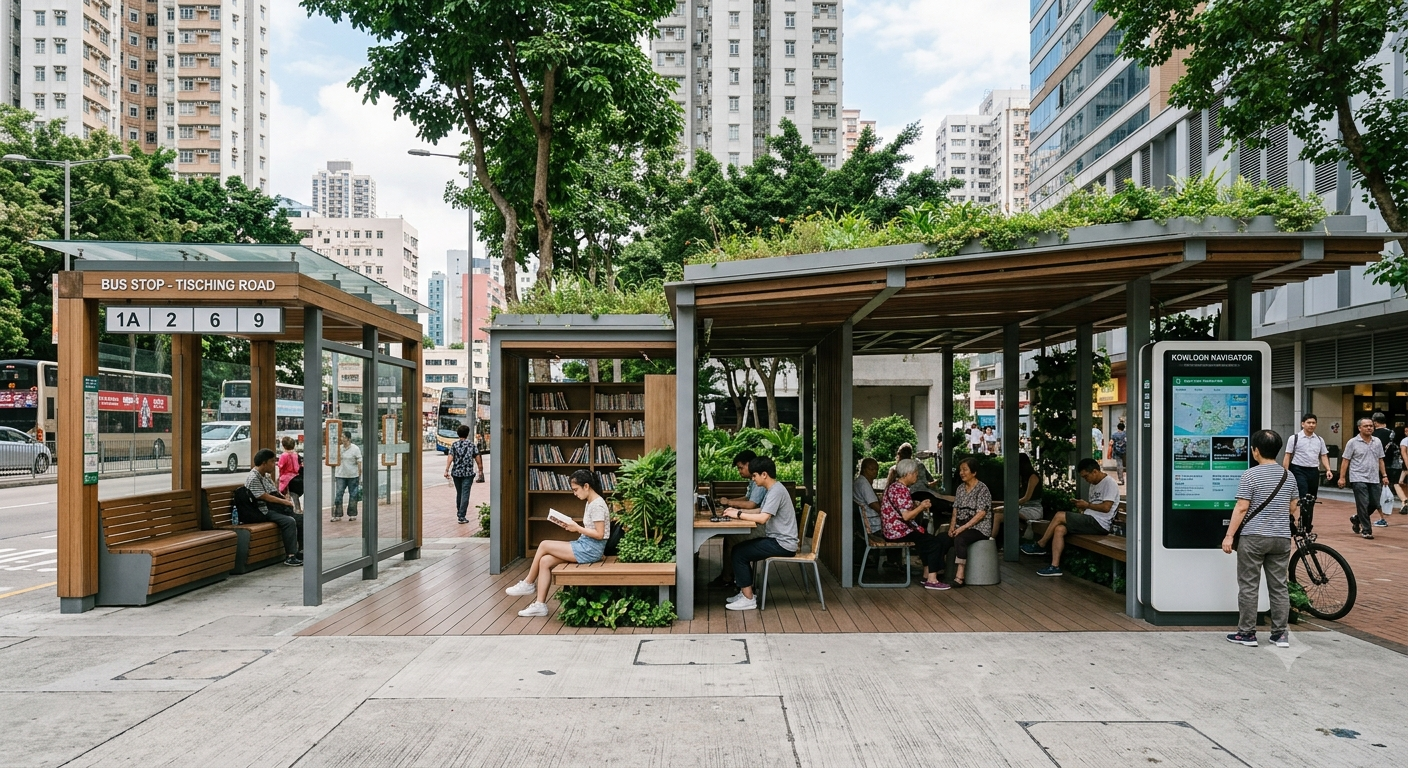
From bus stops to reading pods, overlooked spaces quietly support the functioning of our cities.
Read more
A completed structure is not the end. Spaces need data, feedback and continuous improvement.
Read more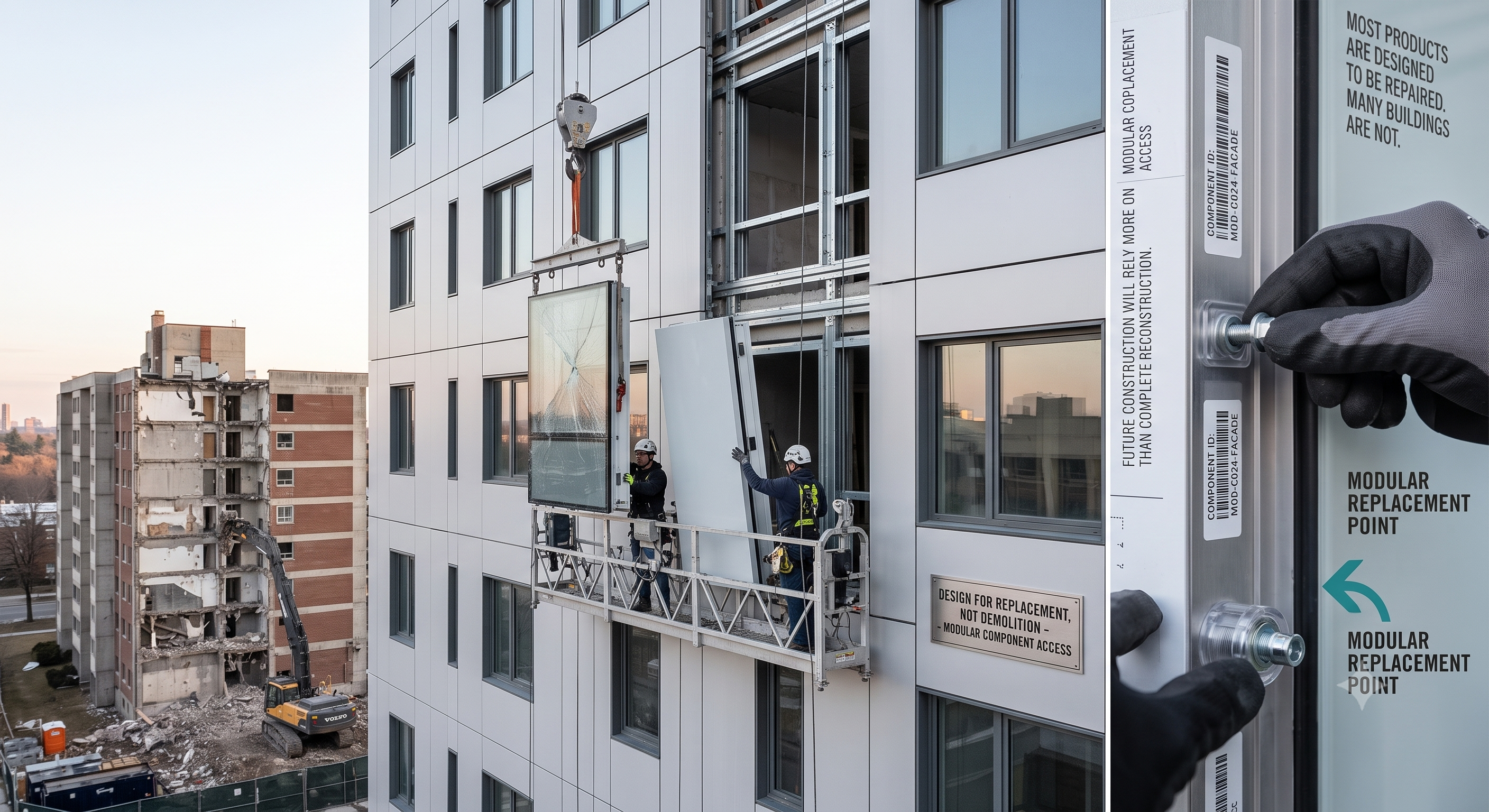
Future construction depends on modular thinking: replace components, not entire structures.
Read more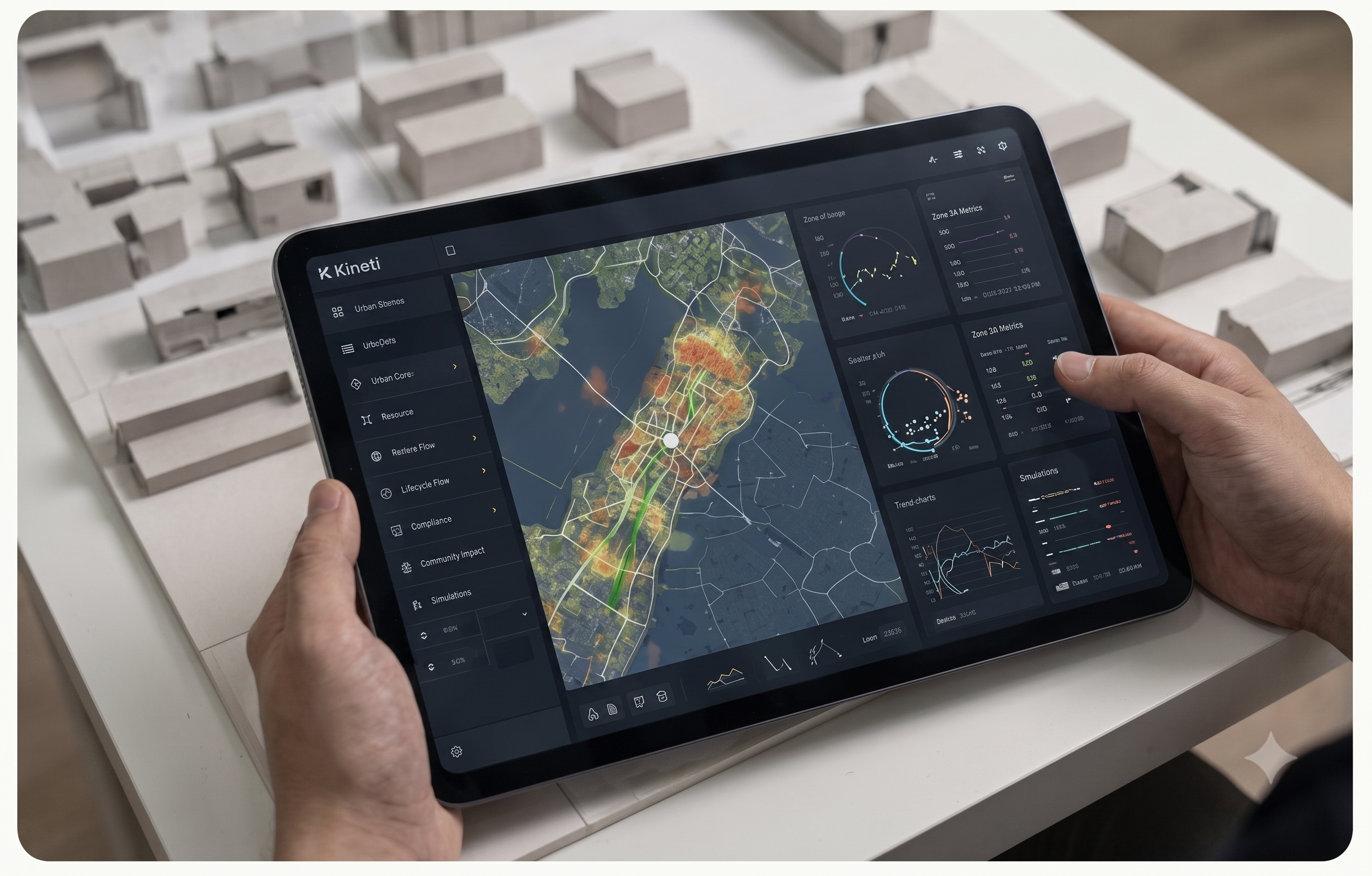
Better decisions come from data, simulation and understanding regulations early in the process.
Read moreToo complex for manufacturing. Too small for traditional construction. This is the space where innovation has the greatest impact.
Read more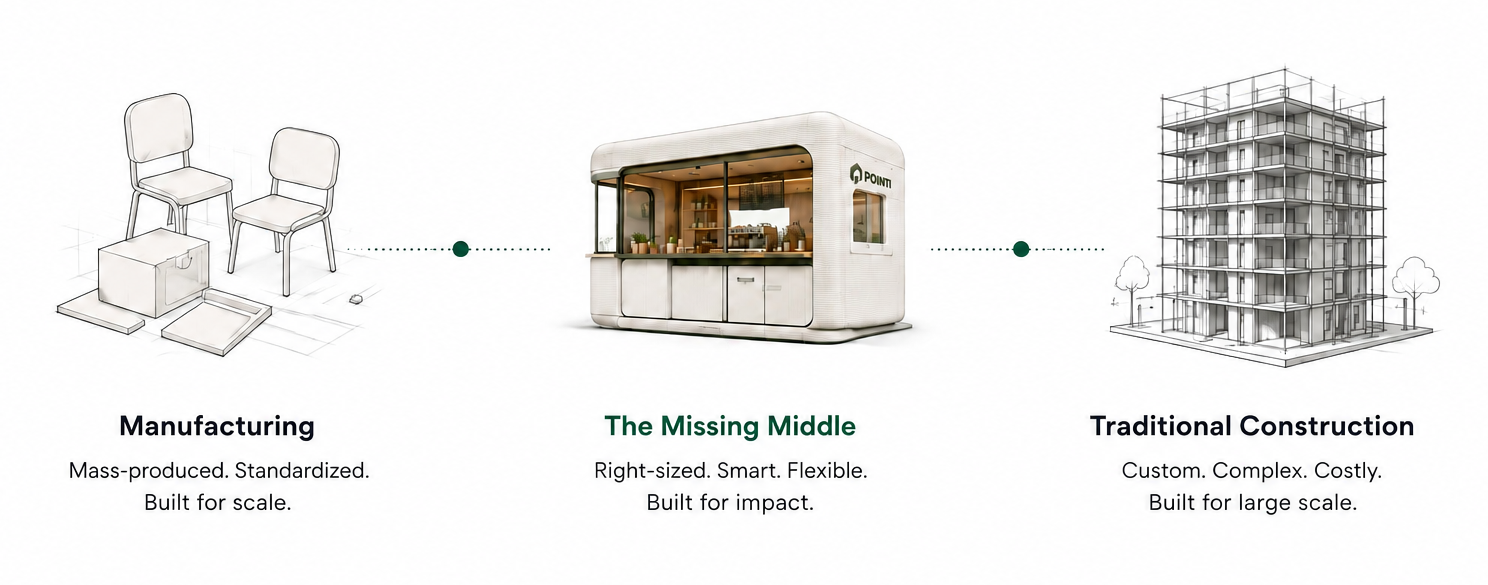
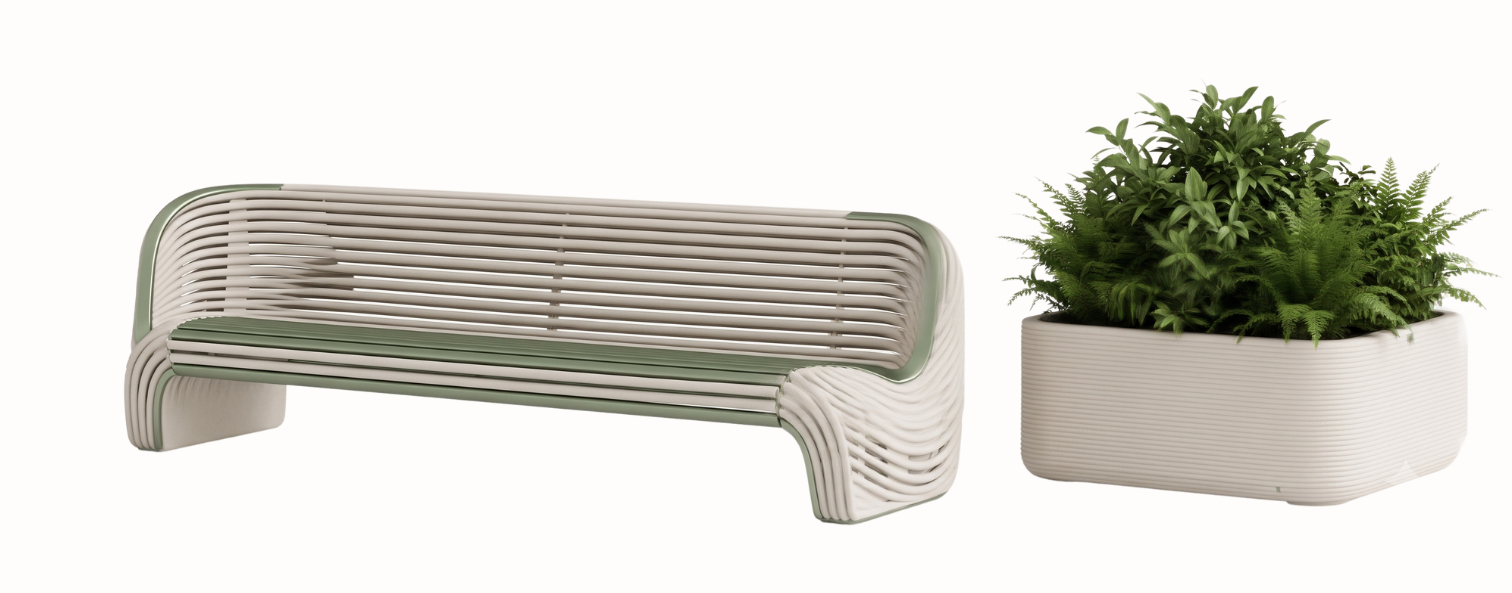
Small spaces deserve the same level of thinking as great buildings.
Company / Contact
For governments, developers, architects and infrastructure partners.
6/F, The Rays, 71 Hung To Road, Kwun Tong, Hong Kong